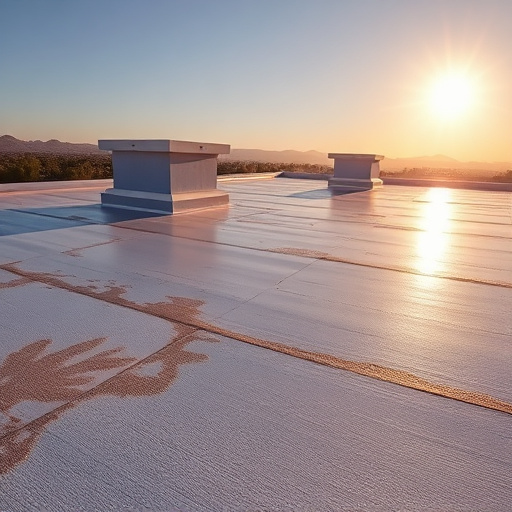
In the harsh, sunny climate of inspection includes, a roof is your home's first line of defense against the elements. Understanding what to look for during a roof inspection is crucial, especially when considering a home warranty roof claim. The intense sun, heat, and UV exposure can accelerate roof wear and tear, making regular inspections vital. This article guides you through the key aspects of a Tucson roof inspection, from identifying signs of damage caused by the unique local weather patterns to understanding how to read an inspection report for potential home warranty claims. By the end, you'll be equipped to navigate the process with confidence.
- Understanding Tucson's Unique Roof Challenges
- Evaluating Sun, Heat, and UV Damage
- Home Warranty Roof Claims: Prevention and Process
Understanding Tucson's Unique Roof Challenges
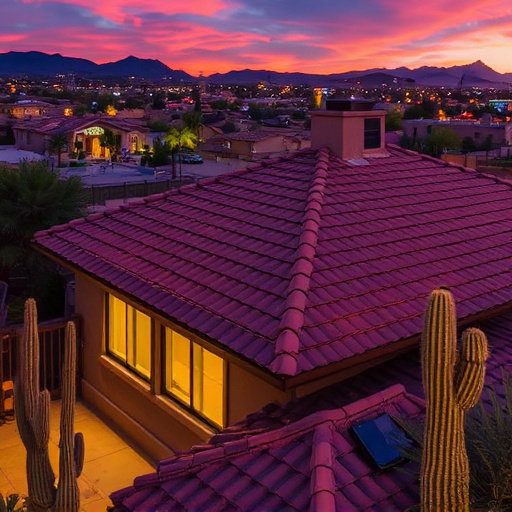
Tucson's unique climate presents specific challenges for roof inspections, which are crucial for maintaining home value and protecting against costly damage. The intense sun, scorching heat, and powerful UV exposure can accelerate the degradation of roofing materials, leading to issues that may be missed during a typical inspection in a milder climate. Cracked tiles, a common problem in Tucson, can result from the rapid thermal expansion and contraction caused by daily temperature swings.
A roofing contractor serving Tucson and Oro Valley will assess these factors during an inspection. They'll look for signs of coating wear, a telltale indicator of UV damage, on materials like metal and foam. In the summer heat, it's essential to examine the roof's drainage system thoroughly, as poor drainage can lead to moisture buildup and, eventually, leaks. This is especially true for flat roofs, which are more susceptible to pooling water and related damage. The contractor will also check the condition of the attic and ceilings, as these areas can be vulnerable to heat-related issues, such as warped drywall or damaged insulation.
Homeowners with home warranty roof claims often find that proactive inspections, particularly before the pre-monsoon season, can prevent more extensive and expensive repairs. By addressing issues like cracked tiles or coating wear early, Tucson residents can extend the life of their roofs and avoid the stress and cost of unexpected repairs. Regular inspections, ideally every 1-2 years, are recommended to catch potential problems before they escalate, ensuring the home's structural integrity and maintaining its value.
Evaluating Sun, Heat, and UV Damage
In the hot, sunny climate of Tucson, a roof inspection takes on additional significance. The sun, heat, and UV exposure play a critical role in the condition of a roof, and these factors can significantly impact a home's structural integrity and energy efficiency. When evaluating a roof, especially during a pre-monsoon or post-storm inspection, a licensed Arizona roofer will assess several key indicators of sun, heat, and UV damage.
UV damage, for instance, can be insidious. Prolonged exposure to the sun's powerful UV rays can weaken roofing materials, especially in places like roof valleys, where water collection and sun exposure are higher. This can lead to premature wear and tear, and if left unaddressed, may result in costly leaks and structural damage. An experienced roofer will inspect these vulnerable areas closely, checking for signs of cracking, fading, or brittleness in the shingles or underlayment. Similarly, heat can accelerate the aging process of roofing materials. In the summer heat, a roofer will assess the overall flexibility and integrity of the roof, looking for any warping, curling, or blistering that may indicate heat-related damage.
During a thorough inspection, the roofer will also consider the roof's drainage system, particularly in flat or low-sloped roofs, which are common in Tucson. Proper drainage is crucial to prevent water damage and prolong the life of the roof. A well-functioning drainage system, checked for clogs or damage, is a critical component of any inspection report. A professional roofer will examine the roof's coating, both the foam roof coating and any paint or sealant, for signs of wear and tear. These coatings play a vital role in protecting the roof from the sun's UV rays and maintaining energy efficiency. Regular inspections, especially after significant weather events or in preparation for monsoon season, are crucial for identifying and addressing these issues before they become costly home warranty roof claims.
Home Warranty Roof Claims: Prevention and Process
In the arid climate of Tucson, a roof inspection goes beyond checking for structural integrity; it involves understanding the unique challenges posed by the region's sun, heat, and UV exposure. These environmental factors play a significant role in the longevity of a roof, especially for home warranty roof claims. The intense sunlight and heat can accelerate the breakdown of roofing materials, making a thorough inspection crucial before purchasing a home, during insurance renewal, and after major weather events.
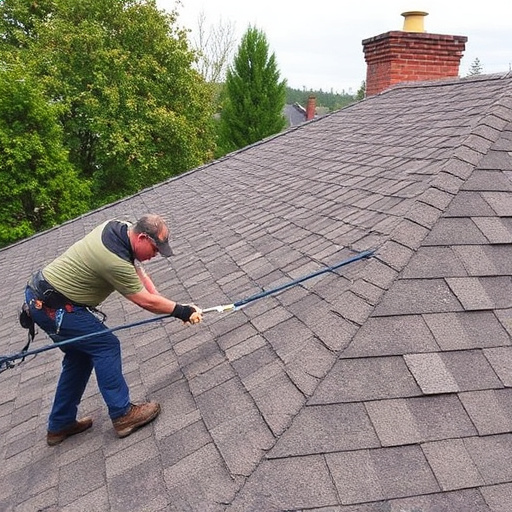
During a comprehensive roof inspection, a professional will look for signs of damage specific to the local conditions. This includes examining the roof's underlayment for cracks or degradation, which can be exacerbated by UV radiation. Intense sunlight can cause the expansion and contraction of roofing materials, leading to potential leaks and water damage. A roofing contractor serving Tucson and Oro Valley might note the condition of the parapet walls, which can be vulnerable to UV-induced cracking and require repair or replacement. The inspector will also check for signs of mold or algae growth, often more prevalent in warmer climates, as these can void home warranty coverage for roof claims.
For home warranty roof claims, a detailed inspection report is essential. This document should include specific observations related to the local environment, such as the potential impact of monsoons, dust storms, and extreme heat on the roof's condition. An inspector might note the presence of a foam roof coating, which can degrade faster in direct sunlight, and recommend its assessment for potential replacement. Regular inspections, especially during insurance renewal, can help prevent costly claims by identifying minor issues before they become major problems. This proactive approach can save homeowners money and ensure their homes are protected under warranty.
Frequently Asked Questions About an Explainer on How Sun, Heat, and UV Exposure in Tucson Show Up During a Roof Inspection
What are the unique challenges of roof inspections in Tucson due to the local climate? Tucson's climate poses specific challenges for roof inspections. The intense sun and high UV exposure can accelerate the degradation of roofing materials, making it crucial to identify potential issues early. Heat can also impact the integrity of the roof structure and underlayment, leading to weaknesses that might go unnoticed during a typical inspection. Our inspectors are trained to recognize these climate-related signs, such as premature blistering, cracking, or discoloration, ensuring a thorough evaluation.
How can UV exposure from the sun damage a roof? UV radiation from the sun can break down the chemical bonds in roofing materials, particularly in asphalt shingles. This process, known as photodegradation, causes the shingles to lose their protective properties and become more susceptible to weathering. Over time, UV exposure can lead to premature aging, cracking, and loss of elasticity, significantly reducing the roof's lifespan.
What are some signs of roof damage caused by heat? Prolonged exposure to high temperatures can cause several types of damage. Heat can weaken the adhesive holding the underlayment to the roof deck, leading to separation and potential water intrusion. It can also cause the wood roof trusses or beams to expand and contract, resulting in warping or cracking. Inspectors look for signs of these issues, including bulging, warping, or loose materials, to ensure the roof's structural integrity.
Do heat-related roof problems require immediate attention? While some heat-related issues can be addressed through routine maintenance, others may necessitate urgent repair. A loose or damaged underlayment could allow water penetration, leading to mold growth or structural damage. An experienced inspector will assess the severity of each problem and provide recommendations for repair or replacement, prioritizing safety and the prevention of further damage.
How can regular inspections help with UV and heat damage prevention? Regular roof inspections are essential for identifying UV and heat-related damage at an early stage. Inspectors can detect subtle changes, such as surface cracks or discoloration, which may indicate deeper problems. By addressing these issues promptly, homeowners can avoid more extensive and costly repairs in the future. Inspections can help ensure that the roof is performing optimally, which is crucial in Tucson's hot climate.
In the harsh Arizona sun, a roof's resilience against heat, UV exposure, and moisture is crucial for a home's long-term protection. This inspection guide highlights the unique challenges of Tucson's climate and offers valuable insights for homeowners and contractors alike. By understanding how these factors contribute to roof damage, you can proactively manage maintenance and prevent costly home warranty roof claims. Regular, thorough inspections, especially before and after extreme weather events, are key to preserving your roof's integrity. This knowledge equips you to make informed decisions about repairs, replacements, and the value of professional services, ultimately extending the life of your roof and safeguarding your investment.
In the Tucson climate, roof inspections are crucial for maintaining home value and preventing home warranty roof claims. Contractors assess UV damage, heat-related issues, drainage systems, and coatings, looking for signs of cracking, fading, and wear. Regular, proactive inspections catch problems early, extending roof life and saving money. This is particularly important before monsoon season to avoid costly, unexpected repairs.