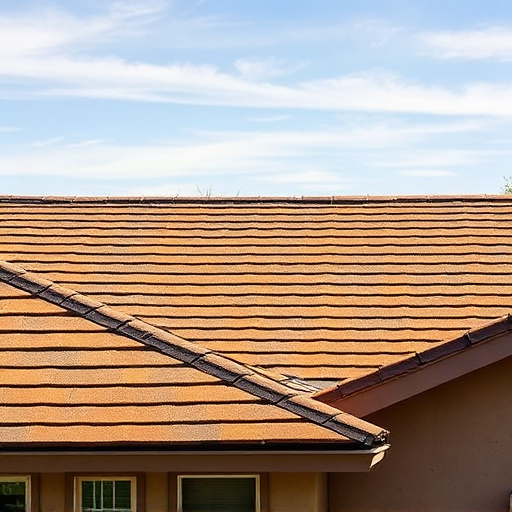
As a Tucson homeowner, your roof is a vital component, protecting your property from the region's intense sun, frequent dust storms, and occasional monsoons. Regular professional inspections are crucial, but not all issues show up during routine checks. Between professional inspections, you can spot potential problems with a thorough homeowner checklist, especially after key events like the removal of a swamp cooler. This article equips you with the knowledge to inspect your roof, focusing on common desert-climate issues, including tile underlayment, moisture intrusion, and flat roof drainage, ensuring your roof's longevity and safeguarding your investment.
- Identifying Common Desert Roof Issues
- Visual Inspection After Swamp Cooler Removal
- Maintenance Tips for Year-Round Protection
Identifying Common Desert Roof Issues
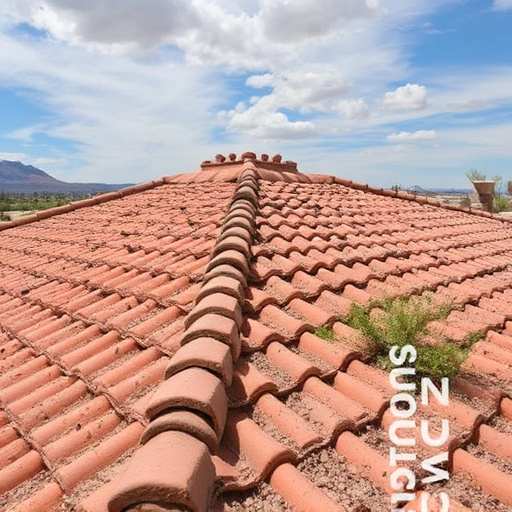
In the desert climate of Tucson and Oro Valley, homeowners face unique challenges for roof maintenance. The extreme heat, low humidity, and occasional powerful storms can accelerate the deterioration of roofing materials. Regular inspections are crucial to catch potential issues early, especially as certain factors, like swamp coolers, can contribute to roof problems. Here's a breakdown of common desert roof issues to watch for between professional inspections, with a focus on what to expect after swamp cooler removal and beyond.
One of the most significant concerns in our region is underlayment damage. The underlayment, a protective layer beneath the shingles, can dry out and crack due to the harsh conditions. After a swamp cooler is removed, for instance, it's common to find underlayment that has been exposed to excessive heat and moisture. This is because swamp coolers help regulate indoor humidity, and their absence can lead to rapid changes in temperature and moisture levels in the attic space. Look for signs of fraying, tearing, or mold growth on the underlayment, which may indicate a need for replacement.
The desert climate takes a toll on roofing coatings. Coatings, including foam and reflective materials, are designed to protect the roof from UV damage and heat absorption. However, in the Vail sun, these coatings can degrade and become less effective over time. You might notice coating wear on older roofs, especially in areas exposed to direct sunlight. When a roof is inspected after swamp cooler removal, it's a good opportunity to assess the condition of these coatings and determine if reapplication is necessary to extend the roof's life.
Homeowners should also be vigilant about potential leaks caused by flashing and venting issues. Flashing, which seals joints around chimneys, vents, and pipes, can become loose or corroded, allowing water to seep into the roof structure. In desert climates, leaks may not be immediately visible due to the dry environment, but they can lead to serious moisture damage over time. Regular inspections, particularly after swamp cooler removal, can help identify and address these issues before they result in costly repairs.
Lastly, be aware of the impact of extreme weather events. While hail and wind storms are less frequent in Tucson compared to other regions, they can still occur and cause significant roof damage. Look for missing or damaged shingles, signs of water intrusion, and signs of previous repairs as indicators of potential problems. A roofing contractor serving Tucson and Oro Valley can offer expert advice on repairs and maintenance, ensuring your roof is in top condition year-round.
Visual Inspection After Swamp Cooler Removal
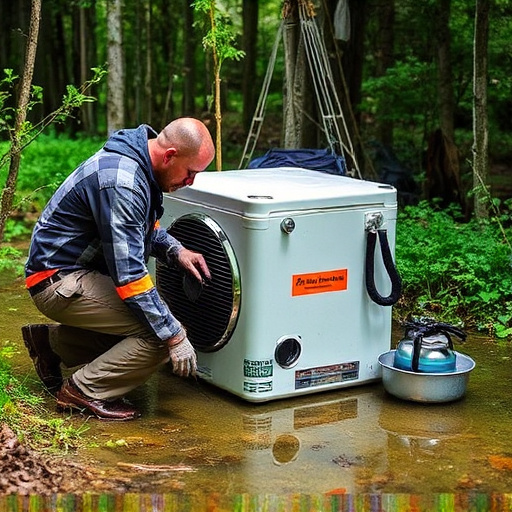
When you live in a desert climate like ours, regular visual inspections of your roof are crucial, especially after significant changes to your home's cooling system. One often-overlooked check is the inspection after swamp cooler removal. This step is vital, as it allows you to assess the roof's condition and ensure there's no water damage or leaks that could be exacerbated by the system's absence.
Before you start, here's what to look for during this visual assessment. First, check the scuppers-the openings at the roof's edge that allow water to drain. They should be clear of debris and free from any signs of corrosion or damage. Next, examine the underlayment for any visible tears, holes, or mold growth. In our desert climate, underlayment can be particularly vulnerable to UV degradation, so close inspection is key. You might also consider using an infrared scan to detect moisture or temperature variations that could indicate leaks or problems beneath the surface.
After the system's removal, it's common for the roof to experience some adjustments in temperature and humidity levels. This can cause stress on various components, so a thorough inspection is necessary. If you're unsure about any aspect, don't hesitate to consult a Tucson roofer with an Arizona ROC license. They can provide expert advice tailored to your specific situation, helping you maintain a healthy and safe home environment. Remember, proactive maintenance, especially in a climate as demanding as ours, is the best defense against costly repairs down the line.
Maintenance Tips for Year-Round Protection
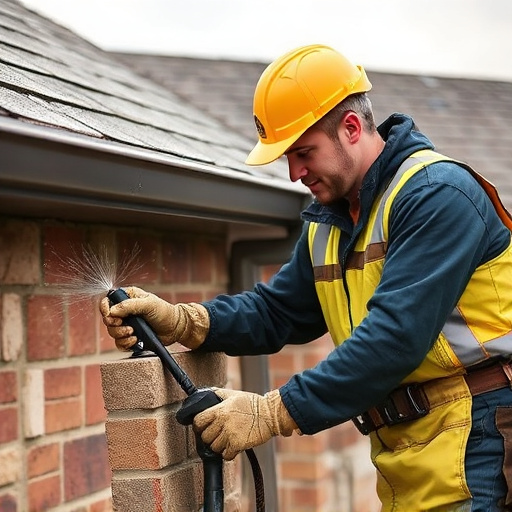
In the desert climate of Tucson, maintaining your roof year-round is crucial to prevent significant issues, especially before the monsoon season. While professional inspections are essential, homeowners can play a vital role in spotting potential problems between these expert evaluations. This proactive approach ensures your roof remains in top condition, safeguarding your investment and potentially avoiding costly repairs. Here's a comprehensive checklist to guide you through the process, with a special focus on what to look for after removing a swamp cooler, a common seasonal practice in the region.
One of the first things to notice is the condition of your roof tiles. Cracked or missing tiles are not always visible from the ground, but they can be easily spotted during a walk-around inspection. After removing a swamp cooler, which often involves some roof access, take a moment to examine the shingles for any signs of damage. Also, check for loose or missing underlayment, as this can be a point of entry for water during heavy monsoon rains. A local Tucson roofing company recommends using a flashlight to inspect the underlayment, looking for any gaps or dislodged materials.
Pay close attention to your roof's drainage system. Blocked gutters and downspouts can lead to water damage and wood rot, especially in the moist desert climate. Ensure these are clear of debris and in good working order. After a swamp cooler removal, check for any signs of water leakage or condensation on the roof, as these could indicate issues with ventilation or a poor seal. Regularly inspecting your roof in this manner will help you catch potential problems early, allowing for timely repairs and extending your roof's lifespan.
When preparing for monsoon season, don't overlook the importance of an inspection after swamp cooler removal. This simple step can help you identify and address minor issues before they become major headaches. Remember, insurance renewal is often a trigger for roof inspections, but proactive maintenance is key to preserving your home's most critical asset-its roof. By incorporating these maintenance tips into your annual routine, you'll ensure your Tucson home remains protected against the elements and any unexpected challenges that may arise.
Frequently Asked Questions About a homeowner checklist for spotting roof problems between professional inspections in the desert climate
What types of issues should I look for on my desert roof?
In the arid climate of Arizona, look for signs of dehydration and weathering. This includes cracked or curled shingles, missing shingles, and discolored or blistered areas. Pay special attention to corners and edges, where elements can accelerate wear. Fissures in the underlayment or visible damage to the roof's flashing are also red flags, as these can lead to water penetration and structural damage. Regularly inspect for loose or damaged downspouts and gutters, as proper drainage is crucial to roof health.
How often should I perform a roof inspection?
While professional inspections are recommended annually, homeowners should conduct basic checks between these visits. Aim for a thorough inspection every 3-6 months, especially after extreme weather events like hailstorms or powerful winds. This allows you to catch small issues early, preventing them from becoming costly repairs.
What tools do I need to inspect my roof?
You'll need a good pair of binoculars or a camera with a telephoto lens for a safe, high-level view. A flashlight, ladder (with proper safety equipment), and a notepad for noting observations are essential. Some basic tools like a hammer, screwdrivers, and a magnifying glass can aid in closer inspection of suspicious areas. Remember, safety first-never attempt an inspection without proper equipment and precautions.
Can I identify damage to my roof from photos?
While high-quality photos can help, identifying serious damage often requires professional eyes. However, you can learn to spot basic issues like missing or curled shingles, visible holes or cracks, and water stains. Compare these photos with a reference guide or consult with a licensed roofer for clarification. Remember, online resources can provide a starting point, but nothing replaces a real inspection.
What should I do if I find damage during my inspection?
Document the damage with clear photos and detailed notes. Contact DC Roofing of Arizona, a licensed Oro Valley area roofing contractor, for a thorough assessment. Prompt action is crucial, as damage can escalate during monsoon season. A professional will provide an accurate diagnosis and recommend the best course of action, ensuring your roof's longevity.
As summer approaches and monsoon season looms, homeowners in the desert know that their roofs need extra attention. This article has armed you with a powerful toolkit for identifying common desert roof issues and maintaining your home's protective barrier.
By regularly checking your roof-especially after crucial seasonal changes like the removal of swamp coolers-you can catch potential problems early. Key insights include the importance of visual inspections, understanding desert-specific issues like tile underlayment damage and moisture buildup, and implementing year-round maintenance practices.
Don't wait for the next professional inspection. Take action now by creating a homeowner checklist tailored to your desert climate. Regularly examine your roof, especially after swamp cooler removal, to ensure its longevity and protect your investment. Remember, proactive care is the best defense against costly repairs.
In the Tucson and Oro Valley desert climate, homeowners must address unique roof challenges, including underlayment damage from extreme heat and moisture, degrading roofing coatings, flashing and venting issues, and extreme weather events. Regular visual inspections, especially after swamp cooler removal, are crucial. Look for underlayment tears, coating wear, blocked gutters, water leakage, and missing or damaged tiles. Proactive maintenance extends roof lifespan and prepares homes for monsoon season. Consult a licensed Arizona roofer for expert advice on inspections and repairs.