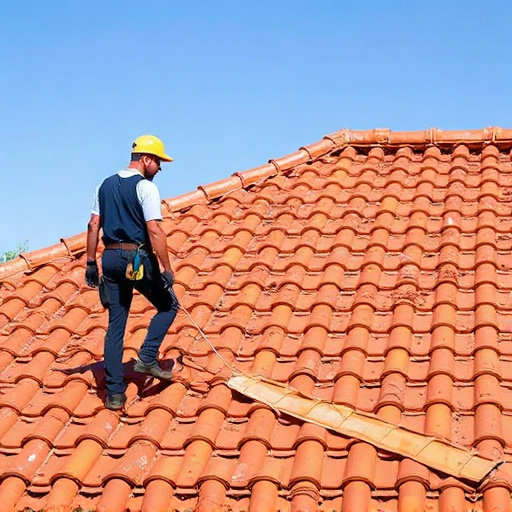
In Tucson, where seasonal weather patterns can vary drastically, a thorough roof inspection is crucial for maintaining a safe and secure home. Monsoon season brings intense storms, hail, and strong winds, all of which can cause significant damage to roofs if left unaddressed. Reading a roof inspection report is essential for homeowners, as it provides a detailed account of your roof's condition, pinpointing issues that may be hidden from casual observation. This article offers practical, seasonal advice on when and how to conduct inspections before and after monsoon season, empowering you to make informed decisions about your roof's health and longevity.
- Preparing Your Tucson Roof for Monsoon Season
- Conducting a Post-Monsoon Roof Inspection
- Understanding and Reading Your Roof Inspection Report
Preparing Your Tucson Roof for Monsoon Season
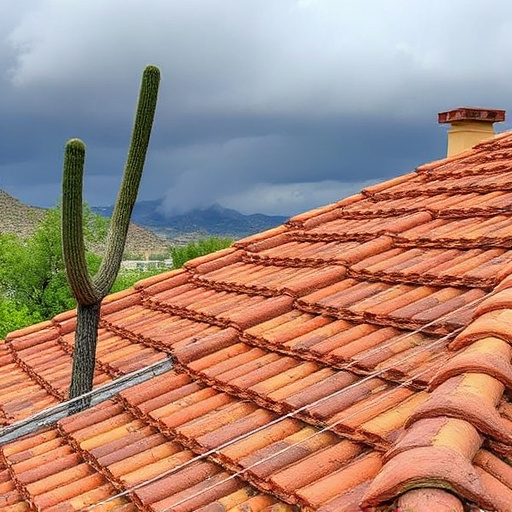
As monsoon season approaches, preparing your Tucson roof is crucial to ensure its longevity and protect your home. A thorough inspection before the season's first storms can help identify potential issues, saving you time and money in the long run. One of the key aspects to focus on is understanding the unique challenges that Tucson's climate, combined with the intense monsoon rains, presents to your roof.
A professional roof inspection is essential, and a Tucson roofer with an Arizona ROC license is your best ally. They will conduct a comprehensive assessment, checking for signs of wear and tear, especially in areas prone to damage. During the inspection, they'll examine the roof's structure, underlayment, tiles, or shingles, and other components. A crucial part of the process is the post-inspection report, which provides a detailed breakdown of the roof's condition. This report will highlight any issues, such as slipped tiles, UV damage, or areas where the underlayment may need attention. Oro Valley, like many parts of Tucson, experiences intense sunlight, which can degrade shingles over time, making regular inspections vital.
To a professional's expertise, homeowners can take proactive steps to prepare. Regularly inspect your roof for any loose or missing tiles, as strong winds during monsoons can easily dislodge them. Check for proper drainage to avoid water damage, ensuring gutters are clear and functioning. Addressing these minor issues can prevent more significant problems. After a storm, a quick post-event check can help identify any new damage, allowing for swift repairs. Remember, a well-maintained roof not only enhances your home's curb appeal but also ensures its structural integrity, providing peace of mind during Tucson's unpredictable monsoon season.
Conducting a Post-Monsoon Roof Inspection
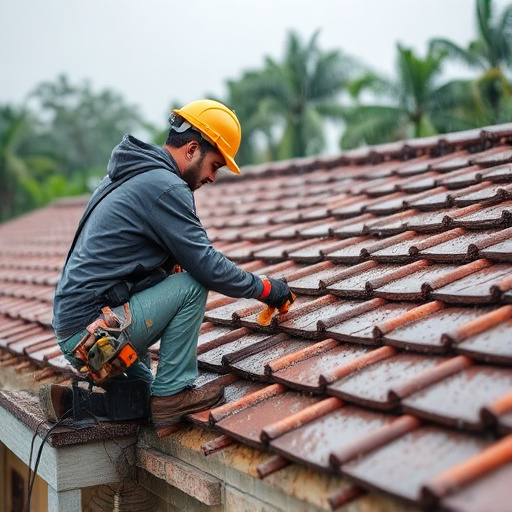
After the monsoon season, a thorough roof inspection is crucial to assess any damage and ensure your roof is in top condition. This post-monsoon checkup is an essential step for every homeowner, especially in areas like Oro Valley where weather patterns can be unpredictable. The primary focus is to identify potential issues that might have been exacerbated by the storm's impact, such as missing or damaged shingles, leaks, or moisture buildup.
A licensed Tucson roofing contractor recommends conducting a multi-faceted inspection. This includes a visual examination of the roof's overall structure, checking for any loose or missing tiles or shingles. They should also inspect the underlayment, ensuring it's in good condition and properly secured. With the monsoon season bringing high winds, it's critical to assess the roof's wind resistance and look for any signs of wear and tear. Pay close attention to the roof's drainage system, ensuring that water is effectively diverted away from the structure.
The post-monsoon inspection report will provide valuable insights into your roof's health. When reading this report, look for details about any observed damage, areas needing repair or replacement, and recommendations for maintaining or enhancing your roof's performance. The report might highlight the need for a new coat of foam roofing coating to improve water resistance or suggest enhancing the attic ventilation to mitigate moisture buildup. This report is a powerful tool in preparing for the next monsoon season, ensuring your home remains protected and your roof is in peak condition.
Understanding and Reading Your Roof Inspection Report
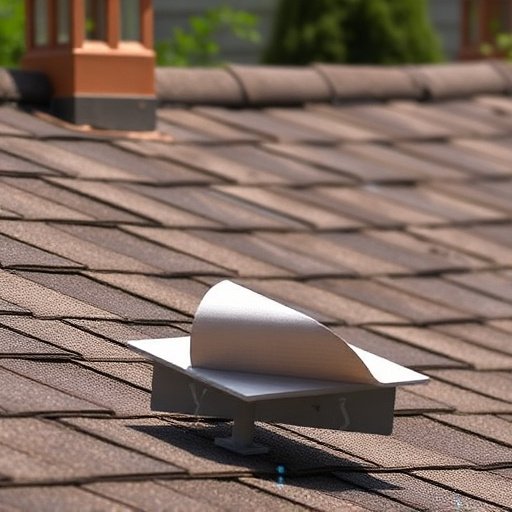
When you receive your roof inspection report after a Tucson roofer with an Arizona ROC license has examined your property, it's crucial to understand what you're looking at. This document is a detailed account of your roof's condition, highlighting potential issues and areas of concern. Reading your roof inspection report is an essential step in making informed decisions about your home's most critical component-the roof.
A thorough report will include a visual assessment of every aspect of your roof, from the tiles or shingles to the underlayment and flashing. It will note any slipped tiles, areas of ponding water, or flashing that is not sealed properly-common issues in our region's unique climate. Flashing, which is a thin layer of material that seals joints, can become vulnerable to leaks when not installed or maintained correctly. The report will also provide a written narrative, explaining each observation and offering recommendations for repairs or replacements. Pay close attention to the sections detailing attic and ceiling checks, as these areas are often overlooked but can indicate significant roof problems.
Your inspection report should also include a remaining roof life estimate, providing valuable insight into when you might need to plan for a roof replacement. This estimate is based on factors like the current state of the materials, local weather patterns, and the overall age of the roof. It's important to remember that a roof's lifespan can vary greatly depending on the quality of initial installation, maintenance, and exposure to elements like intense summer heat, dust storms, and monsoon rains. Understanding these variables will help you anticipate future repairs or replacements and budget accordingly.
The report will also include information on moisture detection for leaks, which is crucial in our desert climate. Moisture can be a silent intruder, and a competent inspector will use advanced tools to pinpoint potential water intrusion points. This section will detail any areas of concern and suggest further steps, such as consulting with a local landscaping service to improve drainage around the property. Finally, the report may offer insights into historic home roof inspection requirements if your property is in a designated historic district, outlining any special considerations or regulations that apply.
Frequently Asked Questions About Seasonal Advice on Inspecting a Tucson Roof Before and After Monsoon Season
What are the primary risks of leaving a roof uninspected during monsoon season?
Monsoon season presents unique challenges for Tucson roofs, including intense rainfall, powerful winds, and rapid changes in temperature. Leaving a roof uninspected during this period could lead to several issues. Water penetration from leaks can cause significant structural damage, mold growth, and weakened roof integrity. High winds can loosen or damage shingles, flashing, and other components, increasing the risk of collapse or further infiltration. Regular inspections are crucial to identify and address these risks promptly, ensuring the safety and longevity of your home.
When is the best time to schedule a roof inspection in Tucson?
The ideal time to schedule a roof inspection in Tucson is immediately before and after monsoon season, typically between late May and early July, and then again from mid-August to early October. This timing allows for a thorough assessment of the roof's condition before the most severe weather events and provides an opportunity to make necessary repairs before winter, when conditions can be less favorable for roof work.
What should I look for during a pre-monsoon roof inspection?
During a pre-monsoon inspection, focus on signs of water damage, such as stains, peeling paint, or warped materials. Check for loose or missing shingles, damaged flashing, and clogs in gutters or downspouts, as these can contribute to roof leaks. Also, inspect the roof's structure for any signs of rot, weakness, or instability, as these issues can compromise the overall safety and integrity of your roof.
How often should I have my roof professionally inspected?
For optimal roof care, DC Roofing of Arizona recommends a professional roof inspection every 2 to 3 years. However, in areas prone to severe weather like Tucson, it's wise to conduct more frequent inspections, especially before and after monsoon season. Regular professional inspections help identify potential issues early, ensuring prompt repair and preventing minor problems from escalating into costly and dangerous damage.
What can I do to prepare my roof for monsoon season?
Before monsoon season, ensure your roof is in good condition by trimming nearby trees and branches that could fall onto the roof. Clear gutters and downspouts of debris to allow proper water flow. Repair any existing leaks, replace missing or damaged shingles, and ensure all flashing is secure. These proactive measures can significantly reduce the risk of roof damage during heavy rainfall and strong winds.
What should I do if I notice damage to my roof after a monsoon storm?
If you observe any roof damage after a monsoon storm, it's essential to act quickly. First, assess the extent of the damage and ensure your safety. Then, contact a licensed Tucson roofing contractor, like DC Roofing of Arizona, for a thorough inspection. Prompt repair is crucial to prevent further damage and water intrusion, which can lead to costly interior repairs and health hazards due to mold growth.
As monsoon season in Tucson nears, it's crucial to ensure your roof is in top condition to withstand the potential impacts of heavy rain, strong winds, and hail. By following the seasonal advice outlined in this article, you can effectively prepare your roof and conduct thorough inspections before and after the season.
Before monsoon, focus on key maintenance tasks such as cleaning gutters and drains, checking for loose or damaged shingles, and ensuring proper ventilation. These proactive steps, combined with a detailed pre-monsoon inspection, can help prevent costly damage.
Post-monsoon, a comprehensive inspection is vital. It involves assessing the overall structural integrity of your roof, checking for moisture intrusion, and examining critical components like tile underlayment and foam coatings. Reading a roof inspection report is a crucial skill; it allows you to understand the findings, make informed decisions, and effectively negotiate with contractors or insurance providers.
The insights from this article equip Tucson homeowners and property managers with the knowledge to protect their investments. By regularly inspecting and maintaining roofs, you can extend their lifespan, minimize repair costs, and ensure the safety and comfort of those living beneath them.
As monsoon season approaches in Tucson, a professional roof inspection before and after is vital. A licensed roofer with an Arizona ROC license will assess wear and tear, checking structure, underlayment, tiles/shingles, and drainage. Post-inspection reports detail conditions, damage, repairs needed, and roof life remaining. Reading these reports involves understanding visual assessments, recommendations, and moisture detection. Regular inspections, especially in Oro Valley, prevent major issues and ensure your roof's longevity, protecting your home during unpredictable monsoon weather.