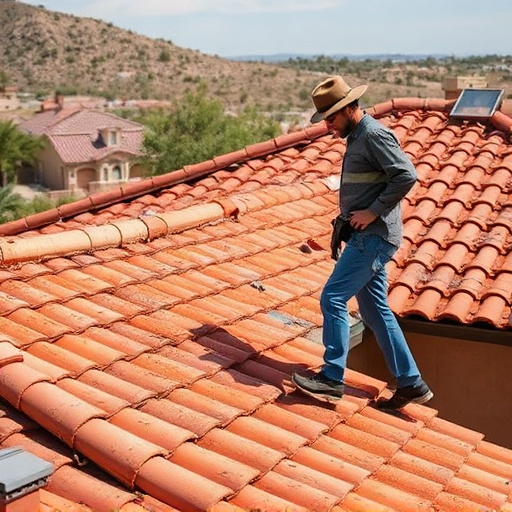
In the scorching sun of southern Arizona, your roof stands guard, protecting your home or business from the elements. Yet, like any guardian, it requires regular checks and maintenance to ensure longevity and integrity. The problem? Roof inspections can be a complex and often confusing process, with varying costs, timelines, and paperwork, especially when navigating the unique demands of this climate. This article offers a clear, concise guide to demystifying the roof inspection in Tucson, providing insights into what to expect, how often to inspect, and how to negotiate the results for a well-protected roof and peace of mind.
- Understanding Roof Inspection Costs in Southern Arizona
- Timing Your Roof Inspection for Efficiency and Peace of Mind
- Decoding Inspection Reports: Negotiating with Results Effectively
Understanding Roof Inspection Costs in Southern Arizona

In southern Arizona, understanding the cost of a roof inspection is a crucial step in ensuring your home's protection. The price for this service can vary, depending on the scope of work, the size of your property, and the complexity of your roof. A basic inspection typically ranges from $100 to $300, while more comprehensive assessments, including moisture meter readings and detailed reviews of roof penetrations, can cost between $500 and $1000. These inspections are essential to detect potential issues like UV damage, especially in our region's harsh climate.
The timing of a roof inspection in southern Arizona is equally important. It's recommended to have a professional evaluation before putting your home on the market, as it can significantly impact the sale price. A pre-monsoon inspection is crucial to catch any issues before the hotter, drier months when damage can escalate. After severe weather events, such as hail or wind storms, an inspection is vital to assess the integrity of your roof and identify any necessary repairs.
When negotiating with inspection results, it's helpful to understand the process. A licensed Arizona roofer will provide a detailed report outlining any issues found. This report becomes a valuable tool for you to make informed decisions. If the inspection reveals minor leaks or damage, you can use this information to either negotiate repairs before the sale or factor these costs into your budget. Regular inspections, recommended every 2-3 years, can help extend the life of your roof and prevent more costly repairs down the line.
Timing Your Roof Inspection for Efficiency and Peace of Mind

Timing your roof inspection in southern Arizona is a strategic move that can save you time, money, and stress. In this arid climate, especially during the monsoon season, a thorough inspection can help predict potential issues, ensuring your roof stays in top condition. Oro Valley's unique weather patterns can accelerate wear and tear on roofs, making timely inspections crucial.
The optimal time to schedule an inspection is after the monsoon season has passed, typically from late September to mid-October. This window allows for dry conditions, making it easier to spot moisture-related problems, such as leaks or damaged vents. However, if you're buying a home or selling, a pre-monsoon inspection in June or July can be beneficial, as it provides a clear picture of the roof's condition before the peak weather season.
When negotiating with inspection results, a proactive approach is essential. If issues are identified, schedule repairs before the next monsoon to prevent further damage. For mobile homes or rental properties, regular inspections are crucial, even outside the monsoon period, to ensure compliance with local building codes. DC Roofing of Arizona, a licensed Oro Valley area roofing contractor, recommends establishing a routine inspection schedule, ideally every two years, to maintain your roof's longevity and protect your investment.
Decoding Inspection Reports: Negotiating with Results Effectively

Understanding your roof inspection report is a crucial step in effectively negotiating any necessary repairs. After a professional like DC Roofing of Arizona completes an inspection, you'll receive a detailed document outlining the current condition of your roof. This report may include sections on roof penetrations-such as vents (scuppers) and chimneys-and their functionality, as well as overall structure, materials, and potential issues.
The report will highlight problem areas, ranging from minor repairs like loose shingles to more significant issues like damaged flashing or leaking roofs. Each finding will be accompanied by a recommendation for resolution. When negotiating with the inspection results, it's essential to have a clear understanding of these recommendations. If the report notes a need for a new underlayment, ask about the best options and potential warranties. Be sure to discuss the scope of work and associated costs for each recommended repair, keeping in mind that some issues might be covered under your home warranty or insurance policy.
Reading between the lines is also vital. The report may mention "roof life remaining" or "potential future problems." These estimates can guide your discussions, helping you prioritize repairs. If the report suggests your roof has a few years left before major issues arise, you might negotiate a timeline for repairs that aligns with this timeframe, potentially saving on immediate costs. Remember, your inspector is there to provide guidance and support. Don't hesitate to ask questions about any part of the report to ensure you're comfortable with the findings and recommendations.
Frequently Asked Questions About a Plain Language Look at the Cost, Timing and Paperwork of a Roof Inspection in Southern Arizona
What is a roof inspection, and why is it important?
A roof inspection is a thorough assessment of your home's roofing system, performed by a licensed professional. It's crucial for identifying potential issues, from damaged shingles to structural problems. Regular inspections help ensure the longevity of your roof, protect against costly repairs, and can even increase your home's value. In southern Arizona, where extreme weather conditions can take a toll, a timely inspection is often a matter of maintaining your home's integrity.
How often should I get my roof inspected?
The frequency of roof inspections depends on several factors, including your home's age, the local climate, and the quality of your roofing materials. As a general guideline, a professional inspection is recommended every two to three years. However, if you live in a desert region like southern Arizona, with intense sunlight and rapid temperature changes, it's wise to have your roof inspected annually, especially if it's older.
What does a roof inspection entail, and how long does it take?
During a typical roof inspection, the licensed contractor will examine the roof from the ground and use specialized tools to access hidden areas. This includes checking for loose or damaged shingles, flashing, and gutters. They'll also inspect the roof's structure, underlayment, and ventilation. The process can take anywhere from one to two days, depending on the roof's size and complexity.
What kind of paperwork is involved in a roof inspection?
After the inspection, you'll receive a detailed report outlining the findings. This document will include digital images of any issues found, along with a description and estimated cost of repairs, if necessary. The contractor should provide a clear and concise report, making it easy to understand the state of your roof and the recommended next steps.
How much does a roof inspection cost in southern Arizona?
The cost of a roof inspection in southern Arizona varies based on the size of your home and the complexity of the roof. For a typical single-family home, expect to pay between $300 and $600 for a comprehensive inspection. Some contractors may offer discounts for annual inspections or have packages that include additional services like drone inspections for a more detailed view of the roof.
Can I perform a roof inspection myself, or must I hire a professional?
While it's possible to conduct a basic visual inspection of your roof, professional inspections are highly recommended. A licensed contractor has the expertise and tools to uncover potential issues that may not be immediately apparent. They can also provide expert advice on the best course of action if repairs are needed, ensuring your investment is protected.
A thorough roof inspection in southern Arizona is crucial for maintaining your home's integrity and value. Understanding the cost, timing, and paperwork involved empowers you to make informed decisions. By knowing what to expect, you can effectively negotiate with inspection results, ensuring any repairs or replacements are done right and within your budget.
The cost of a roof inspection in this region typically ranges from $150 to $400, depending on the size and complexity of your property. Timing is also essential; scheduling during the off-season, pre-monsoon months, or after a significant weather event can save you money and ensure a more efficient inspection.
After the inspection, reading and understanding the report is key. This document provides a detailed account of your roof's condition, including any issues found, recommended repairs, and estimated costs. By familiarizing yourself with this report, you're better equipped to negotiate with the inspector or contractor, ensuring the work is done to your satisfaction and within agreed-upon terms.
Considering the unique challenges of the southern Arizona climate, such as intense summer heat and occasional dust storms, makes regular inspections-every 2 to 3 years-a wise investment. This proactive approach allows for early detection of potential issues, ensuring the longevity and protection of your roof and home.
In southern Arizona, roof inspections cost $100-$1000, depending on scope. Timing is key: pre-monsoon (June-July) for sales, post-monsoon (late September-mid-October) for existing homes. Regular inspections every 2-3 years extend roof life.
Understanding inspection reports is crucial for negotiation. They detail roof condition, problem areas, and repair recommendations. Ask about options, warranties, and timelines for repairs, considering future issues and remaining roof life. Actively engage with inspectors to ensure comfort with findings.