In the hot, dry climate of southern Arizona, a roof is more than just a shelter-it's a critical component of your home's overall health and safety. Understanding the condition of your roof is essential, especially when considering a sale. A thorough roof inspection can make the difference between a smooth transaction and a costly repair bill. However, navigating the process can be overwhelming: what exactly does a roof certification for a sale involve? How much does it cost, and how often should it be done? This article provides a plain-language guide to help you demystify the cost, timing, and paperwork of a roof inspection in southern Arizona, ensuring you're well-prepared for your next real estate step.
- Understanding the Roof Inspection Process in Southern Arizona
- Cost Breakdown: What to Expect for a Roof Certification
- Navigating Paperwork for a Smooth Home Sale Transition
Understanding the Roof Inspection Process in Southern Arizona
In southern Arizona, understanding the roof inspection process is crucial, especially when preparing for a sale or purchase. A professional roof certification for a sale is essential to ensure the property's value and integrity, especially given the unique climate and local building codes. The process involves a thorough examination of the roofing system, including its components, structural integrity, and adherence to local regulations.
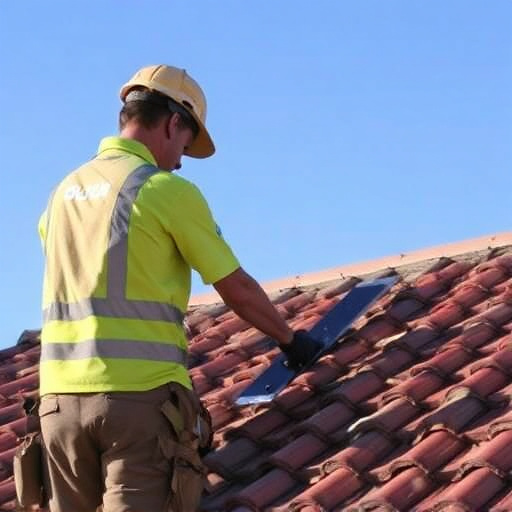
A typical roof inspection in this region will take a licensed roofer, like those at DC Roofing of Arizona, serving Tucson and Oro Valley, between one to two days. They'll begin by assessing the roof's overall condition, checking for signs of damage from monsoon storms, hail, or high winds. This includes a close look at the tile underlayment, which protects the roof from moisture, and the foam roof coating, which can enhance energy efficiency. The inspector will also verify proper drainage systems, ensuring water flows away from the structure, a critical step in preventing leaks.
During the inspection, the contractor will pay special attention to vents, ensuring they're functional and correctly placed to facilitate air circulation, a key factor in managing indoor temperatures during the region's hot summers. For historic homes, additional considerations come into play, as the roofer will need to assess the roof's age and material, often requiring a different approach to preserve its character. After the inspection, a detailed report is provided, outlining the findings and any recommended repairs or maintenance. This document is invaluable for both sellers and buyers, ensuring a transparent and informed transaction.
Cost Breakdown: What to Expect for a Roof Certification
A roof certification for a sale in southern Arizona, like the Oro Valley area, is a crucial step for any homeowner looking to put their property on the market. The cost of this inspection can vary based on several factors, including the size and complexity of the roof, the age of the home, and the specific needs identified by the inspector. According to local building codes and industry best practices, a comprehensive roof certification typically includes a detailed examination of the roofing materials, underlayments, drainage systems, and potential moisture issues.
For a standard single-family home, the cost of a roof certification for a sale can range from $300 to $600. This range can increase for larger homes or those with unique roofing features. A home with a historic or specialized roof might require additional expertise, driving up the cost. Similarly, if the inspection reveals significant issues, such as damaged tiles, leaks, or subpar underlayment, the price can escalate as repairs or replacements may be needed before the property can be certified.
The process involves meticulous checks, including a thorough inspection of the attic and ceiling areas, where signs of water damage, mold, or inadequate ventilation can be detected. A licensed Arizona roofer will also assess the condition of the roof's underlayment, which acts as a secondary barrier against the elements, and verify the proper drainage of the roof system to prevent water damage. During the inspection after a dust storm or monsoon, the expert will look for any loose or missing shingles, as these events can cause significant wear and tear. For properties with swamp coolers or other specialized equipment, the inspector will account for their proper functioning and any necessary maintenance.
When planning for a sale, homeowners should anticipate the time required for the certification process. While a basic roof certification can usually be completed within a week, complex or extensive repairs might extend this timeline. It's also important to note that some insurance companies may require a roof certification for renewal, particularly for policies covering significant portions of the roof or those in areas prone to extreme weather. In Vail, where wind and hail damage are common, a roof certification for insurance renewal could be a necessary step to prove the home's roof is in good condition.
After the inspection, the roofer will provide a detailed report outlining the roof's condition, any recommended repairs or replacements, and a remaining roof life estimate. Understanding these findings is crucial for negotiating the sale and ensuring a clear picture of the property's current state. Homeowners should feel free to ask questions and discuss the report with the inspector to make an informed decision.
Navigating Paperwork for a Smooth Home Sale Transition

Navigating the paperwork for a smooth transition during a home sale can be a significant factor in the overall process, especially for the roof. In southern Arizona, a roof certification for a sale is crucial, as it ensures the buyer has a clear understanding of the roof's condition and any potential issues. This is particularly important given the region's unique climate, which includes intense sunlight and UV damage, as well as occasional weather events that can affect roof penetrations and parapets.
When selling a home, the seller is typically responsible for arranging a professional roof inspection. This process involves an experienced Tucson roof inspector who will thoroughly assess the roof's condition and provide a detailed report. The inspection includes a visual examination of the roof's structure, underlayment, tiles or shingles, and any flashing or parapets. The inspector will look for signs of damage, leaks, or wear and tear, taking note of the roof's remaining life expectancy. For older homes or those with unique roofing materials, such as adobe, the inspector may need to perform additional tests or consider specialized knowledge.
The roof inspection report is a critical document that will accompany the home's listing. It provides a clear picture of the roof's condition, including any needed repairs or replacements. This documentation is essential for buyers, as it allows them to assess the potential costs and timeline for roof maintenance. If the inspection reveals extensive UV damage, buyers may want to negotiate for repairs or consider the additional cost of a new roof. Similarly, if there are issues with roof penetrations or parapets, these repairs should be addressed before the sale to ensure the buyer's peace of mind. Understanding the scope of work and potential costs outlined in the report can facilitate a smoother transition during the home sale process.
Frequently Asked Questions About a Plain Language Look at the Cost, Timing and Paperwork of a Roof Inspection in Southern Arizona
What is involved in a typical roof inspection? A roof inspection involves a thorough examination of your home's roof structure, including the roofing material, flashing, gutters, and vents. A licensed roofer or inspector will check for damage, wear, or signs of leaks. They'll also assess the roof's overall condition, its remaining lifespan, and any recommended repairs or replacements. The process typically takes 1 to 2 hours, depending on the roof's size and complexity.
How often should I get a roof inspection? Most roofing professionals recommend a visual inspection of your roof at least once a year, especially in regions prone to severe weather like southern Arizona. Regular inspections help identify minor issues early, preventing them from turning into costly repairs or replacing the entire roof.
What is the cost of a roof inspection? The average cost for a roof inspection in the Oro Valley area ranges from $150 to $300, depending on the size of the roof and the level of detail required. DC Roofing of Arizona, a licensed local contractor, charges $250 for a standard inspection, which includes a detailed report on the roof's condition.
Is there any paperwork involved in a roof inspection? Absolutely. After the inspection, you'll receive a comprehensive report outlining the findings, including any defects, necessary repairs, and estimated costs. This document is crucial for tracking maintenance and could be valuable when selling your home. Keep it in a safe place for future reference.
Can I do a roof inspection myself? While you can visually inspect your roof, professional inspections are recommended. Roofers have specialized tools, training, and experience to assess hidden issues. They can also provide expert advice on repairs or replacements. Attempting a roof inspection yourself could lead to missing critical problems and potentially causing further damage.
What happens if the inspector finds issues? If the inspector identifies any issues, they will document them in the report and discuss potential solutions. In some cases, minor repairs can be done during the inspection, while more complex issues may require a separate estimate and follow-up appointment. It's important to understand the recommended next steps based on the findings.
When considering a roof certification for a sale in southern Arizona, understanding the process, costs, and paperwork is crucial. By familiarizing yourself with these key aspects, you can ensure a smooth transition when selling your home. A professional roof inspection in this region typically includes a thorough assessment of your standing seam metal roof, checking for signs of wear, damage from local weather patterns and climate change, and ensuring proper underlayment and drainage. Expect to pay between $300 and $700 for this service, depending on the size and complexity of your roof.
After the inspection, you'll receive a detailed report outlining the findings, which is essential for negotiating any repairs or adjustments during the sale. It's also important to be aware of local building codes and regulations, as well as any specific requirements from your home warranty program or insurance provider.
Taking these proactive steps can help you navigate the paperwork efficiently and protect your investment, ensuring a successful roof certification for a sale in southern Arizona.
In southern Arizona, a roof certification for a sale is vital for homeowners looking to transact. The process involves a thorough inspection by a licensed roofer (like DC Roofing of Arizona) who assesses the roof's condition, underlayment, drainage, and potential issues. Costs range from $300 to $600, depending on the home's size, age, and unique features. The inspection report is crucial for buyers, providing insights into the roof's condition, potential repairs, and remaining lifespan. This documentation facilitates a transparent and informed home sale, addressing potential concerns related to UV damage, leaks, and roof penetrations.