Roof Inspection Tucson: A Comprehensive Overview
Introduction
Welcome to an in-depth exploration of the vital practice of roof inspection in Tucson, Arizona. This article aims to guide readers through the intricacies of this essential process, highlighting its importance for property maintenance, safety, and longevity. Tucson, with its unique climate and diverse architectural landscape, presents specific challenges and opportunities for roof inspections. By delving into various aspects, from historical practices to modern innovations, we will uncover why roof inspection is not just a routine task but a critical component of urban infrastructure management.
Understanding Roof Inspection in Tucson
Definition and Core Components
Roof inspection involves a thorough examination of a building’s roofing system to assess its structural integrity, functionality, and overall condition. In the context of Tucson, this includes evaluating materials, construction methods, drainage systems, and the impact of local environmental factors such as extreme temperatures, high humidity, and occasional desert storms. The primary goal is to identify potential issues, ensure safety, and extend the roof’s lifespan by facilitating timely repairs or replacements.
Historical Context and Significance
The practice of roof inspection has evolved over centuries, adapting to the changing needs of architecture and climate. Historically, flat roofs were prevalent in ancient civilizations, requiring regular inspections for water leakage and damage. As architectural styles progressed, so did roofing techniques. The introduction of pitched roofs in medieval Europe brought new considerations for snow load and drainage. In Tucson’s case, historical building practices combined with modern standards to create a unique roof inspection regimen that addresses both traditional and contemporary concerns.
Roof inspections are significant for several reasons:
- Safety: Identifying hazards such as loose shingles, damaged flashing, or structural weaknesses ensures the safety of occupants and passersby.
- Prevention: Regular inspections can prevent minor issues from escalating into major, costly repairs.
- Longevity: Proper care extends the life of roofing materials, reducing the need for frequent replacements.
- Energy Efficiency: Well-maintained roofs contribute to better insulation, reducing energy costs.
- Property Value: A well-kept roof enhances a property’s value and market appeal.
Global Impact and Trends
International Influence
Roof inspection practices around the globe share common goals but often reflect regional variations in climate, construction methods, and cultural norms. Tucson, being part of the global community, is influenced by international standards and innovations while maintaining its unique local adaptations.
- North America: Known for stringent building codes, North America emphasizes regular roof inspections, particularly in regions with extreme weather conditions. The National Roofers Association (NRA) sets guidelines that reflect these standards.
- Europe: Historical building practices and diverse climate zones lead to a wide range of roofing techniques and inspection protocols. Countries like Germany have comprehensive regulations for roof maintenance.
- Asia: Rapid urbanization and varying climates present unique challenges, leading to innovative solutions. Japan, for example, has advanced technologies for roof inspection and repair.
Regional Trends
The American Roof Inspector (ARI) Association reports that certain trends are universal while others vary by region:
| Regional Trend |
Description |
| Regularity |
All regions agree on the importance of annual or bi-annual inspections, but frequency may differ based on local climate and building codes. |
| Technological Adoption |
Regions with advanced technology are embracing drone inspections, thermal imaging, and digital reporting for improved efficiency and accuracy. |
| Sustainability |
There’s a growing emphasis on eco-friendly materials and energy-efficient roofing practices, driven by regional climates and government initiatives. |
| Specialized Inspections |
Some areas require specific inspections for historical buildings or unique roofing systems. |
Economic Considerations
Market Dynamics
The roof inspection industry in Tucson is part of a broader construction sector that contributes significantly to the local economy. According to recent data:
- The construction industry in Arizona accounts for over 10% of the state’s GDP.
- Roof inspection services are in high demand, with an estimated 5-7% annual growth rate driven by new construction and renovation projects.
- Local businesses specializing in roof inspections employ around 2000 workers, contributing to a diverse workforce.
Investment Patterns
Roof inspection in Tucson attracts investments from various sources:
- Homeowners: Many residents invest in regular inspections to protect their properties.
- Property Managers and Real Estate Agents: They prioritize roof health to ensure attractive property listings and tenant safety.
- Insurance Companies: Some insurers offer incentives for annual inspections, reducing potential claims.
- Government Grants and Programs: Local initiatives provide financial support for roof repairs, encouraging compliance with inspection requirements.
Economic Impact
The economic impact of roof inspection is multifaceted:
- Job Creation: It supports local businesses, from roofing contractors to inspection services, fostering employment opportunities.
- Community Safety: Well-maintained roofs contribute to safer neighborhoods by preventing hazards like collapsed structures or fire risks.
- Long-term Savings: Proactive inspections can reduce the cost of major repairs and unexpected replacements.
Technological Advancements
Innovations in Roof Inspection
Technological advancements have revolutionized roof inspection, improving efficiency, accuracy, and safety:
- Drone Inspections: Drones equipped with high-resolution cameras and thermal sensors provide detailed aerial views, especially useful for large commercial roofs or hard-to-reach areas.
- 3D Scanning and Modeling: This technology creates precise digital models of roofs, allowing for comprehensive analysis and planning of repairs or replacements.
- Thermal Imaging: Identifies temperature variations, helping detect issues like missing or damaged shingles, moisture intrusion, or faulty wiring.
- Digital Reporting and Documentation: Digital platforms enable efficient data storage, sharing, and analysis, enhancing communication between inspectors, contractors, and clients.
Impact and Future Potential
The adoption of these technologies has several benefits:
- Speed and Efficiency: Drones and digital tools can reduce inspection times by 30-40%, allowing more properties to be assessed in a given period.
- Improved Accuracy: Advanced sensors provide detailed data, leading to more accurate diagnoses of roofing issues.
- Cost Savings: Early detection of minor problems can prevent costly repairs later.
- Environmental Benefits: Digital documentation reduces paper waste and streamlines processes, contributing to sustainability goals.
In the future, we can expect:
- Further integration of AI and machine learning for predictive analysis and automated defect detection.
- Expansion of remote inspection services, enabling experts to assess roofs from distant locations.
- Development of advanced materials that require less frequent inspections due to enhanced durability.
Policy and Regulation
Key Policies Governing Roof Inspection
Tucson’s roof inspection practices are shaped by local, state, and federal policies:
- Building Codes: The City of Tucson’s Building Code includes provisions for roofing materials, construction methods, and safety standards, mandating inspections during new constructions, renovations, or after severe weather events.
- Licensing and Certification: Roof inspectors in Arizona must be certified by the Arizona Department of Licensing (ADL), ensuring they meet specific training and competency requirements.
- Insurance Requirements: Property owners may need to provide proof of roof insurance during inspection processes, especially for high-value properties or those with unique roofing systems.
Legislative Frameworks and Their Influence
The regulatory environment plays a crucial role in maintaining standards:
- Safety Standards: Regulations ensure that roofs meet minimum safety criteria, protecting occupants and the public.
- Environmental Considerations: Policies may address energy efficiency requirements, sustainable building practices, and waste management related to roofing materials.
- Consumer Protection: Licensing and certification guarantee qualified professionals, safeguarding consumers from unethical practices.
- Data Privacy and Security: Digital reporting systems must adhere to data protection laws, ensuring client information is secure.
Challenges and Criticisms
Main Issues Faced by Roof Inspection in Tucson
Despite its benefits, roof inspection faces several challenges:
- Skilled Labor Shortage: The demand for qualified roof inspectors exceeds the supply, leading to longer wait times and potential inconsistencies in inspection quality.
- Weather Variability: Tucson’s climate presents challenges during extreme weather events, making inspections difficult or impossible in heavy rain, snow, or high winds.
- Accessibility: Inspections of historic or unique roofs can be complex and costly due to specialized requirements and limited access.
- Lack of Public Awareness: Some property owners may not understand the importance of regular inspections, leading to neglected roofing issues.
Solutions and Strategies
Addressing these challenges requires a multi-faceted approach:
- Training and Education: Increasing training programs for aspiring roof inspectors can help address labor shortages. Continuing education is essential to keep professionals updated on new technologies and techniques.
- Weather-Resistant Materials: Promoting the use of durable, weather-resistant roofing materials can reduce inspection frequency during extreme conditions.
- Incentives for Specialized Inspections: Local governments could offer incentives or grants for inspections of historic buildings to encourage preservation efforts.
- Public Awareness Campaigns: Educating homeowners about roof inspection benefits can lead to increased demand and better property maintenance.
Case Studies: Successful Applications
Example 1: Historic Downtown Tucson
The city’s downtown area features numerous historic buildings with diverse roofing styles. A recent roof inspection initiative aimed to preserve these architectural gems while ensuring safety:
- Challenges: Inspections were challenging due to the variety of roof designs, ages, and materials. Some roofs had not been inspected for decades.
- Solution: The city collaborated with local historical societies and roofing experts to develop specialized inspection protocols. Drones were used for aerial assessments, while thermal imaging identified hidden issues.
- Outcome: This project resulted in a comprehensive database of historic roof conditions, enabling targeted maintenance and restoration efforts. Property values increased, showcasing the economic benefits of well-preserved historic districts.
Example 2: Green Roof Initiative
Tucson has embraced sustainable building practices, leading to an increase in green roofs—roofs designed to provide environmental benefits:
- Initiative: A local developer partnered with a roofing company specializing in green roof systems. They offered incentives for homeowners who adopted these eco-friendly solutions.
- Benefits: Green roofs improved insulation, reduced the urban heat island effect, and provided habitats for local wildlife. The initiative also encouraged the use of locally sourced materials and water-efficient drainage systems.
- Impact: The project gained recognition as a model for sustainable urban development, inspiring similar initiatives across the city.
Future Prospects
Emerging Trends
The future of roof inspection in Tucson is poised for exciting developments:
- Smart Homes and IoT (Internet of Things): Integrating roof inspection data with smart home systems can provide real-time alerts for maintenance needs.
- Advanced Material Testing: New technologies will enable faster, more accurate testing of roofing materials, ensuring they meet the latest performance standards.
- AI-Assisted Inspections: Artificial intelligence will play a larger role in defect detection and predictive analysis, improving inspection efficiency.
- Community-Based Initiatives: Local neighborhood associations may take a more active role in coordinating and promoting regular roof inspections for better community safety and property values.
Growth Areas
Several areas are expected to experience growth:
- Residential Roof Replacing Market: As older homes require upgrades, the market for residential roof replacements will expand, driving demand for inspection services.
- Commercial Green Roofing: With growing environmental awareness, there will be an increased focus on green roofing solutions for commercial properties.
- Preservation and Restoration Projects: Tucson’s rich architectural heritage will continue to drive projects focused on restoring historic roofs, requiring specialized inspections.
Conclusion: A Vital Component of Urban Infrastructure
Roof inspection in Tucson is not merely a routine task but a critical component of urban infrastructure management that encompasses safety, sustainability, and economic well-being. As the city continues to grow and adapt to changing climate patterns, roof inspection practices will evolve to meet these challenges. By embracing technological advancements, staying informed about policy changes, and addressing labor shortages, Tucson can ensure that its roofing systems remain safe, efficient, and environmentally friendly.
FAQ Section
Q: How often should I get my roof inspected?
A: The frequency depends on various factors, including your location, climate, type of roof, and age of the property. As a general rule, consider inspections annually or every two years for residential properties. Commercial roofs may require more frequent assessments due to their size and complexity.
Q: Can drone inspections replace traditional roof inspections?
A: While drones are an excellent tool for efficient aerial assessments, they should complement traditional methods rather than replace them entirely. Drones excel at identifying large issues and providing detailed images but may not detect subtle defects that require up-close inspection.
Q: What happens if my roof inspection reveals damage?
A: If damage is discovered during an inspection, it’s crucial to consult a qualified roofing contractor who can provide options for repair or replacement. Prompt action is essential to prevent further deterioration and potential safety hazards.
Q: Are there any grants available for roof repairs?
A: Yes, local governments and non-profit organizations often offer grants or low-interest loans for roof repairs, especially in historic districts or areas affected by natural disasters. Check with your city’s building department or community development office for available programs.
Q: How can I choose a qualified roof inspector?
A: Ensure the inspector is certified by relevant authorities, such as the Arizona Department of Licensing. Look for professionals with experience in your type of roof and who provide detailed digital reports. Check online reviews and ask for references to make an informed choice.
Tucson's harsh climate demands regular roof inspection tucson (every 2-3 years) to prevent costly repairs. Advanced technology like 3D scans and drone surveys detect subtle wear, while expert analysis during storms offers immediate damage assessment. Timely repairs save up to 80% on replacements, extending roof lifespan by up to 30%. Proactive inspections safeguard property value and peace of mind.
Tucson homeowners face a unique challenge when it comes to maintaining their properties’ most critical component—the roof. Ensuring reliable roofing services is not just about aesthetics; it’s a matter of safety, preventing costly damage, and preserving the home’s overall value. Regular roof inspections in Tucson are essential, as they can catch issues early, from missing shingles to structural weaknesses. This article delves into the intricacies of finding expert roofing services tailored to Tucson’s specific needs, providing valuable insights for homeowners seeking robust protection for their investments. By the end, you’ll be equipped with the knowledge to make informed decisions regarding your roof’s longevity and safety.
Understanding Tucson's Unique Roofing Challenges
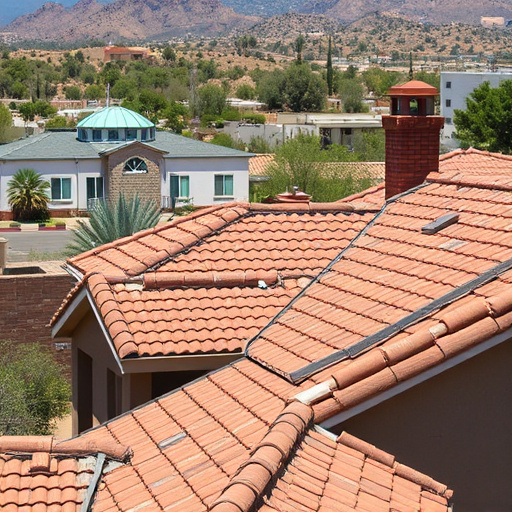
Tucson’s unique geographical location and climate present specific challenges for homeowners when it comes to roofing. The city’s arid desert environment exposes roofs to intense sunlight, extreme temperatures, and occasional powerful storms, all of which can accelerate the wear and tear on roofing materials. Additionally, the region’s high wind speeds during monsoons and occasional tornadoes pose significant risks of roof damage. Regular thorough inspections are paramount for Tucson homeowners; a crucial step that often goes overlooked until signs of trouble appear. This proactive approach allows for the early detection of potential issues, from missing or damaged shingles to structural weaknesses, enabling timely repairs that prevent more severe—and costly—problems.
A critical aspect of maintaining a reliable roof is the art of accurate roof damage assessment. Tucson residents should be vigilant about signs of distress, such as visible cracks, sagging, or water stains. Regular inspections by professionals who specialize in these conditions are invaluable. These experts can conduct detailed assessments, identifying subtle indications of roof wear and tear that may not be immediately apparent to untrained eyes. By performing comprehensive 3D scans and utilizing advanced technology like drone surveys, they can create accurate models of the roofing system, pinpointing areas needing attention and providing homeowners with data-driven insights for informed decision-making.
Moreover, Tucson’s diverse and often extreme weather patterns necessitate specialized knowledge to navigate the roof inspection process effectively. Homeowners should seek providers who are seasoned in handling the region’s unique challenges, ensuring that inspections are thorough yet cost-efficient. A well-conducted roof inspection in Tucson is more than just a check for immediate damage; it’s a vital step in extending the lifespan of one’s home investment and safeguarding against costly repairs down the line.
Choosing Reliable Roof Inspection Services in Tucson
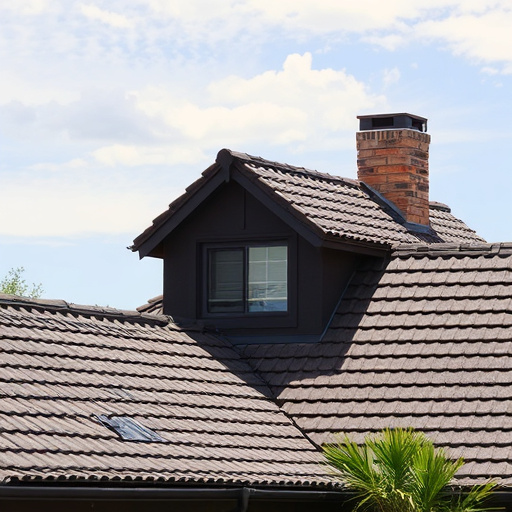
When it comes to safeguarding your Tucson home, a reliable roof inspection service plays a pivotal role. The vast desert heat, occasional monsoons, and potential for severe storms can take a toll on your roof, making regular assessments crucial. Choosing a reputable contractor who offers comprehensive roof damage assessment is an investment in the longevity of your property.
Tucson homeowners should look for professionals who employ state-of-the-art technology to detect even the smallest cracks or signs of wear. A thorough inspection goes beyond a quick visual assessment, encompassing detailed examination of shingles, flashing, gutters, and structural components. By identifying potential issues early, you can avoid costly repairs down the line. According to industry reports, regular roof inspections can reduce the risk of major leaks by up to 70%.
Beyond routine maintenance, it’s important to trust a contractor who offers expert analysis during times of extreme weather events. Strong winds and heavy rainfall can cause unforeseen damage, requiring immediate attention. A qualified inspector will be able to assess storm-related damage, providing peace of mind and ensuring your roof is secure. Remember, proactive measures are always more effective and less expensive than reactive repairs.
Expert Guidance for Effective Roof Maintenance

Tucson homeowners often overlook the critical role proper roof maintenance plays in protecting their investments. Regular roof inspections are a cornerstone of proactive care, enabling early detection of even subtle signs of damage. Consider this: according to industry experts, timely roof repairs can prevent 80% of costly replacement needs. A comprehensive Tucson roof inspection isn’t just about identifying existing problems; it’s also a strategic tool for preventing future issues.
During a detailed assessment, experienced professionals meticulously examine every aspect of the roofing system, from shingles and flashing to gutters and structural integrity. This involves visually scrutinizing the roof’s surface for cracks, missing or damaged shingles, water stains, or signs of moisture intrusion. It extends to checking for proper drainage, examining the condition of vents and chimneys, and assessing the overall stability of the structure. A qualified roofer will also take note of the roof’s age, type, and local climate conditions to tailor recommendations accordingly.
Early detection through regular roof inspections and prompt roof damage assessment in Tucson are key to avoiding serious—and expensive—complications down the line. Don’t wait for water leaks or structural failures to signal a problem. By staying proactive with expert guidance, homeowners can ensure their roofs remain strong safeguards against Arizona’s varying weather conditions, safeguarding both property value and peace of mind.
Protecting Your Home: Essential Roof Repair Strategies
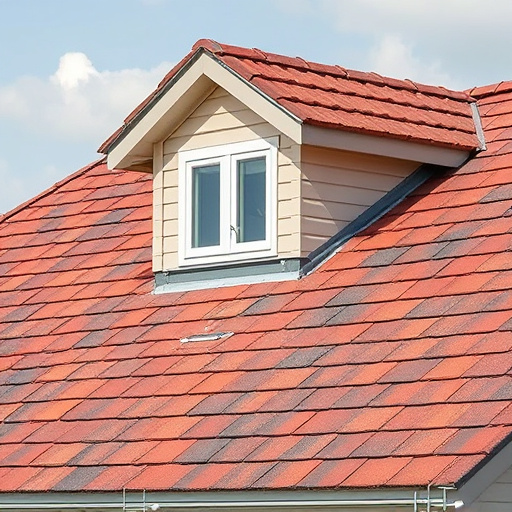
Tucson homeowners often take pride in their properties, yet one common overlook area is roof inspection Tucson—a crucial aspect of home maintenance that can protect your investment. A professional roof inspection isn’t just about identifying leaks; it’s a comprehensive assessment of your roofing system’s health. This involves meticulous scrutiny of every component, from shingles and underlayment to flashing and drainage systems. Regular roof inspections can catch potential issues early, preventing minor problems from escalating into costly repairs or even structural damage.
Roof damage assessment is not just a reactive process but a proactive one. According to industry experts, regular inspections can reduce the risk of roof failures by up to 30%. This includes identifying weak spots like loose or damaged shingles, flashing issues leading to water intrusion, or signs of aging and deterioration. For instance, Arizona’s unpredictable weather patterns, characterized by intense summer heat followed by sudden storms, pose unique challenges for roofing systems. A thorough roof inspection Tucson can help pinpoint vulnerabilities and recommend appropriate repairs before these extreme conditions take their toll.
The benefits extend beyond immediate repair costs. Regular inspections contribute to the longevity of your roof, ensuring it performs optimally for years to come. It’s advisable to schedule professional roof inspections every 2-3 years to maintain optimal roof condition. This proactive approach not only safeguards your home but also offers peace of mind, knowing that one of your most critical assets is in reliable hands. Remember, a well-maintained roof is a crucial defense against the elements, safeguarding your Tucson home and everything within it.
In navigating Tucson’s unique roofing challenges, homeowners can significantly benefit from a proactive approach. By choosing reliable roof inspection services in Tucson, owners gain invaluable insights into their home’s structural integrity. Expert guidance on maintenance and understanding essential repair strategies empower them to protect their investments. This article has provided key insights into the importance of regular roof inspections Tucson residents should prioritize. Taking these steps ensures not only the longevity of roofs but also prevents costly repairs down the line. Homeowners are encouraged to act upon these recommendations, ensuring the continued protection and value of their properties.